Planning a Scotland trip? Discover 10 of the best places to visit in Scotland, from Edinburgh and Skye to Glencoe and the Outer Hebrides, with practical travel-fit advice.
Affiliate disclosure: This article may contain affiliate links. If you book through them, we may earn a commission at no extra cost to you. Editorial selections remain independent.
Scotland has no shortage of memorable places, but that is exactly what makes trip planning difficult. A first-time visitor can easily end up with a list that is too broad, too rushed, or too focused on famous names without understanding which stops actually fit their travel style. This guide narrows the field to 10 of the best places to visit in Scotland, with a focus on scenery, culture, practical trip value, and traveler fit. Official Scotland tourism sources highlight these places as major destinations for cities, islands, national parks, lochs, and historic towns, while top editorial competitors consistently return to many of the same names.
The best places to visit in Scotland for most travelers are Edinburgh, the Isle of Skye, Glencoe, Loch Ness, Loch Lomond & The Trossachs, Inverness, St Andrews, Cairngorms National Park, Stirling, and the Outer Hebrides. Edinburgh is the easiest first stop, Skye and Glencoe are strongest for dramatic scenery, Loch Lomond and the Cairngorms work well for outdoor-focused trips, and St Andrews or Stirling are excellent if you want more history in a manageable setting.
At a glance shortlist
Below is a practical shortlist of the best places to visit in Scotland for first-time visitors, couples, and nature lovers.
- Best for first-time visitors: Edinburgh
- Best for dramatic scenery: Isle of Skye
- Best for classic Highlands atmosphere: Glencoe
- Best for legend and iconic loch views: Loch Ness
- Best for easy-access nature: Loch Lomond & The Trossachs
- Best base city in the Highlands: Inverness
- Best for history and golf: St Andrews
- Best for outdoor adventure: Cairngorms National Park
- Best for castles and battlefield history: Stirling
- Best for remote island escape: The Outer Hebrides
Comparison
If you want the easiest trip with the least logistical friction, start with Edinburgh and add Stirling or Loch Lomond. If you want Scotland’s most cinematic landscapes, prioritize Skye, Glencoe, and the Cairngorms. If you want a wilder, more remote experience, the Outer Hebrides stand out, but they require more planning, especially around transport and weather.
Methodology
To choose the best places to visit in Scotland, we looked at scenery, cultural value, trip-planning practicality, and overall traveler appeal.
These picks were chosen using four criteria: broad traveler appeal, destination distinctiveness, practical trip value, and official planning depth. They also reflect what consistently appears across leading editorial roundups and official Scotland tourism resources.
1) Edinburgh
Overview: Edinburgh remains one of the best places to visit in Scotland because it combines history, walkability, and major attractions in one compact city. Edinburgh is the strongest all-around choice for a first Scotland trip because it combines major history, architecture, walkability, and cultural depth in one compact city. VisitScotland highlights its neighborhoods, free attractions, and major city-break appeal, while editorial sources keep ranking it near the top of Scotland destination lists.
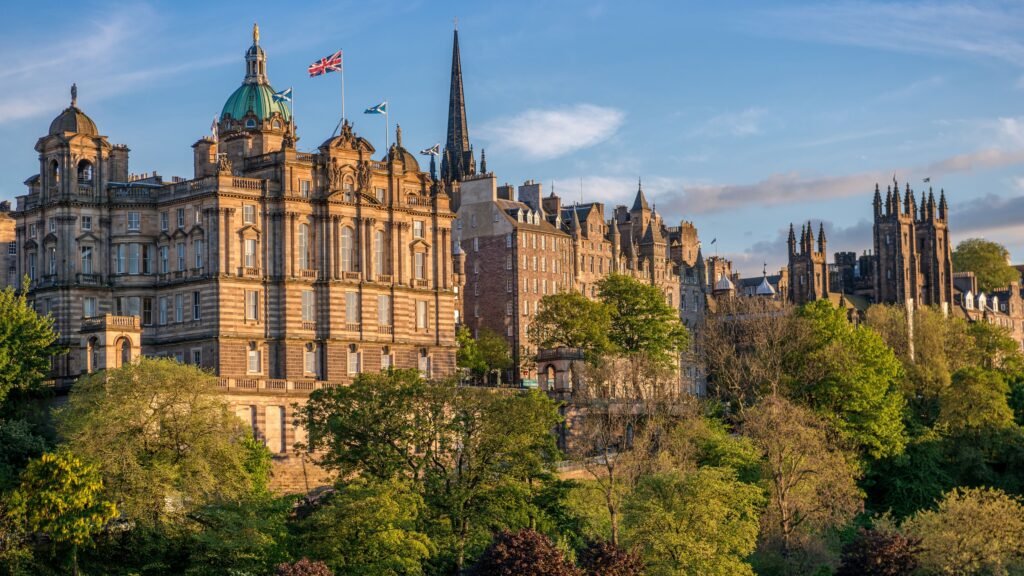
Why it made the list: It gives you the easiest high-impact introduction to Scotland.
Best for: first-time visitors, city-break travelers, couples, short trips.
Highlights: Edinburgh Castle, Old Town and New Town atmosphere, Arthur’s Seat, museums, festivals, and strong hotel/tour infrastructure. VisitScotland also positions it as a base for neighborhood exploration and day trips.
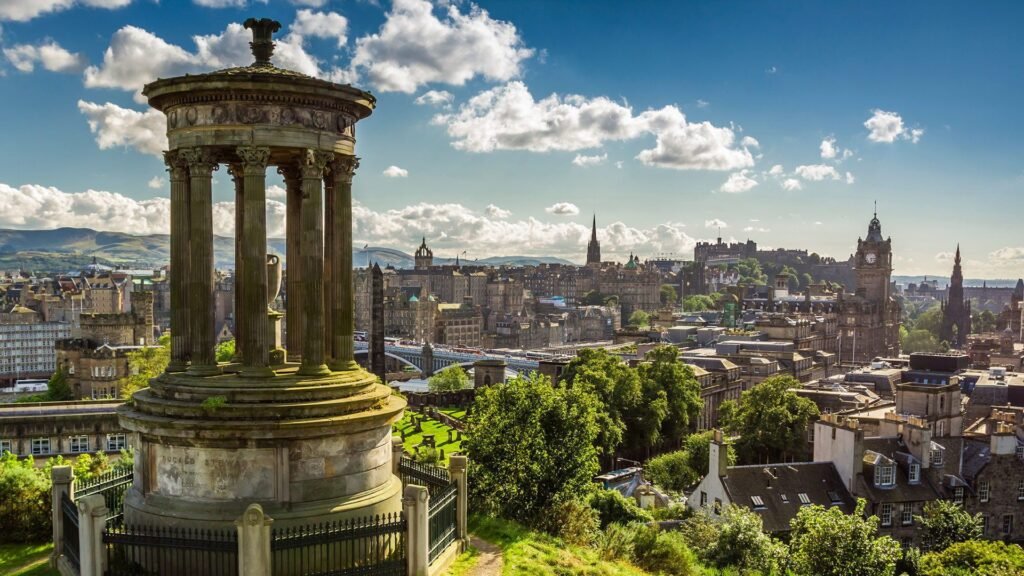
Trade-offs: It can feel busy, expensive in peak periods, and less “wild Scotland” than island or Highlands routes.
Best time to visit: Often late spring to early autumn for easier sightseeing; verify festival-season pricing and availability before booking. Condé Nast recommends May to September broadly for sunnier, warmer exploration conditions across Scotland.
Planning an Edinburgh stay too? Read our guide to the best hotels in Edinburgh, Scotland to compare luxury, boutique, family, and value-friendly options.
Who should go: Anyone starting with one place in Scotland.
Who may skip it: Travelers who want remote landscapes more than city culture.
Bottom line: If you only pick one place for a first trip, Edinburgh is the safest and most versatile choice.
2) Isle of Skye
Overview: For scenery-focused travelers, the Isle of Skye is often considered one of the best places to visit in Scotland. Skye is one of Scotland’s signature landscape destinations, known for rugged scenery, geological features, and road-trip appeal. VisitScotland positions it as a major island destination with travel info, accommodations, and activity planning support.
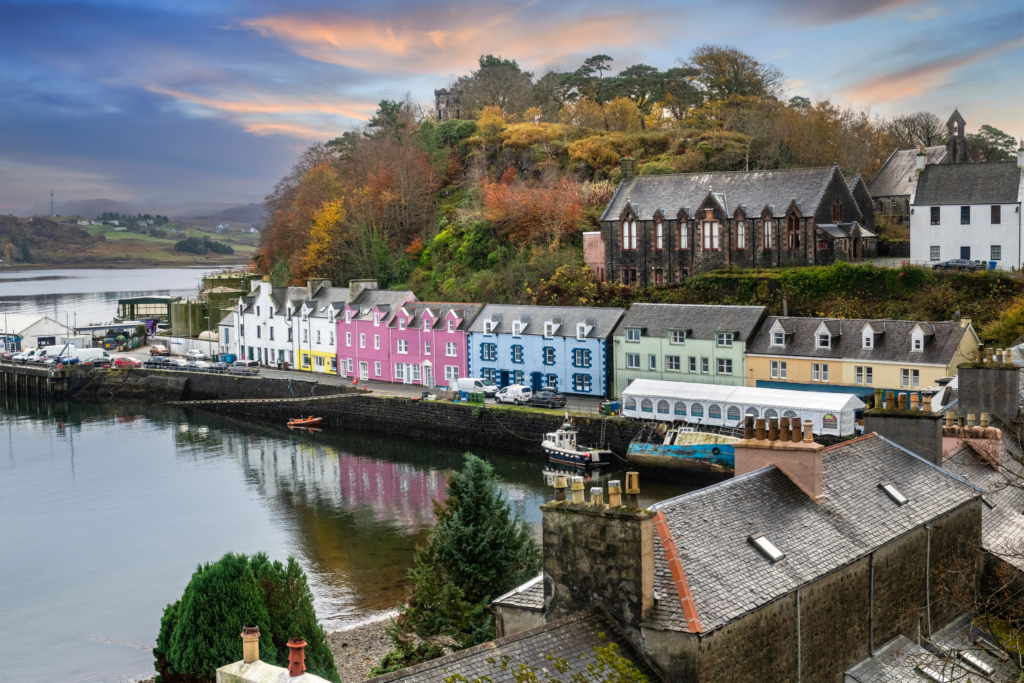
Why it made the list: It is the clearest answer for travelers chasing dramatic scenery.
Best for: photographers, couples, scenic-road-trip travelers, hikers.
Highlights: landscapes around the Trotternish Peninsula, iconic viewpoints, walks, island villages, and tours focused on Skye’s geology and folklore.
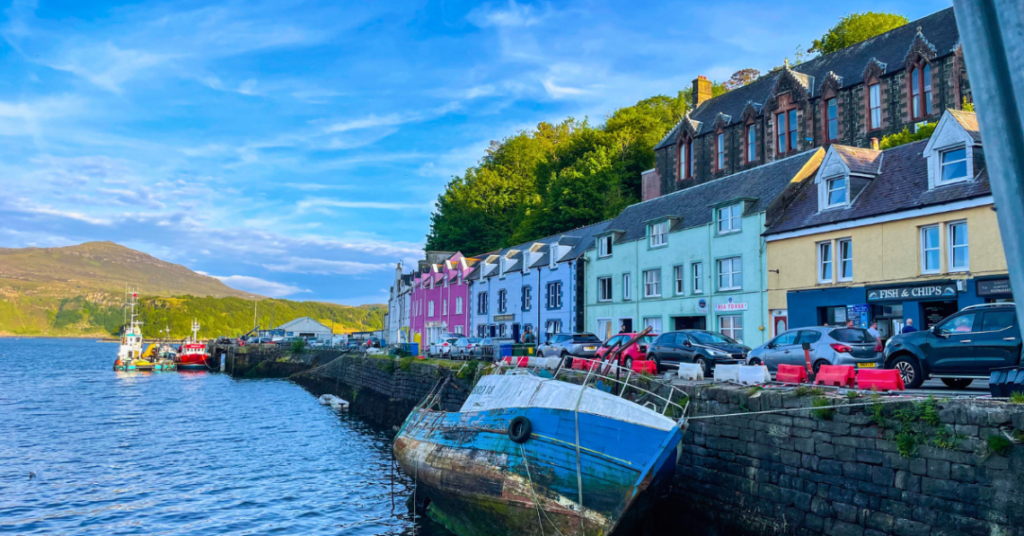
Trade-offs: Skye is less convenient than Edinburgh, can be crowded at famous stops, and usually rewards travelers with more time and more flexible logistics.
Best time to visit: Shoulder seasons can make planning easier, but weather always matters; verify road, ferry, and local service conditions before finalizing.
Who should go: Travelers who want Scotland’s iconic island scenery.
Who may skip it: Visitors on a very short trip or those avoiding extra driving.
Bottom line: Skye is one of the best places to visit in Scotland if scenery is your top priority.
3) Glencoe
Overview: If your priority is mountain scenery, Glencoe is one of the best places to visit in Scotland for dramatic landscapes. Glencoe is world-famous for dramatic mountain scenery and is one of the strongest scenic stops in the Highlands. VisitScotland describes it as a world-famous destination with travel info, accommodation, walks, and things to do.
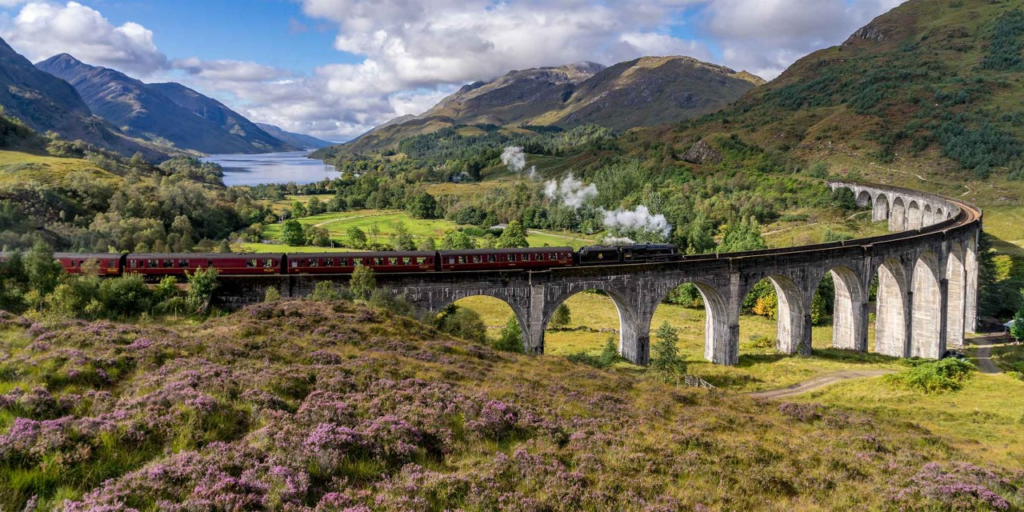
Why it made the list: Few places deliver such a powerful sense of Highland scale and mood.
Best for: road trips, scenery-first itineraries, hiking-focused travelers.
Highlights: mountain landscapes, valley views, guided mountain walks, and its classic location on Highlands touring routes.
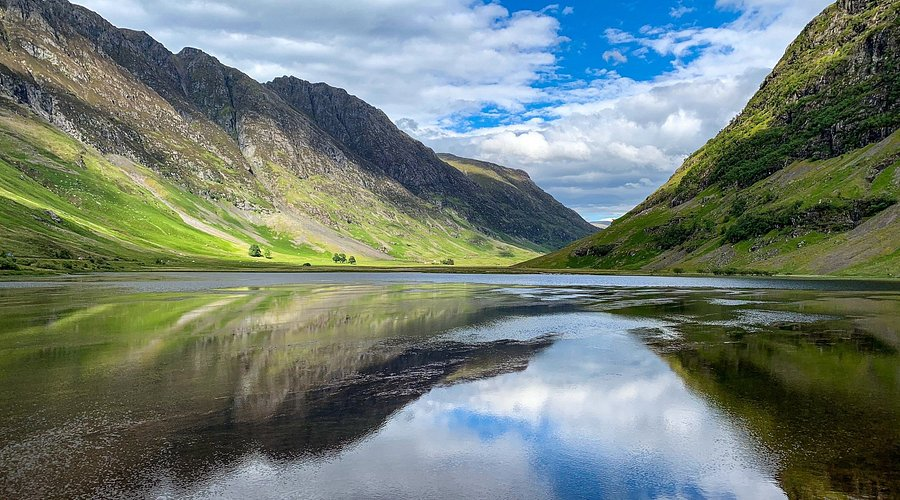
Trade-offs: It is more of a landscape destination than a full-service town destination, so it works best as part of a broader route.
Best time to visit: Conditions vary heavily with weather and daylight, so check trail and route details before you go.
Who should go: Travelers who want one of Scotland’s most dramatic natural settings.
Who may skip it: Visitors seeking museums, nightlife, or urban comforts.
Bottom line: Glencoe is a must-consider stop for anyone building a Highlands road trip.
4) Loch Ness
Overview: Loch Ness blends Highland scenery, folklore, and easy recognition. VisitScotland frames it as a world-famous destination with tours, places to stay, and local experiences, which makes it useful for travelers who want an iconic stop with straightforward planning support.
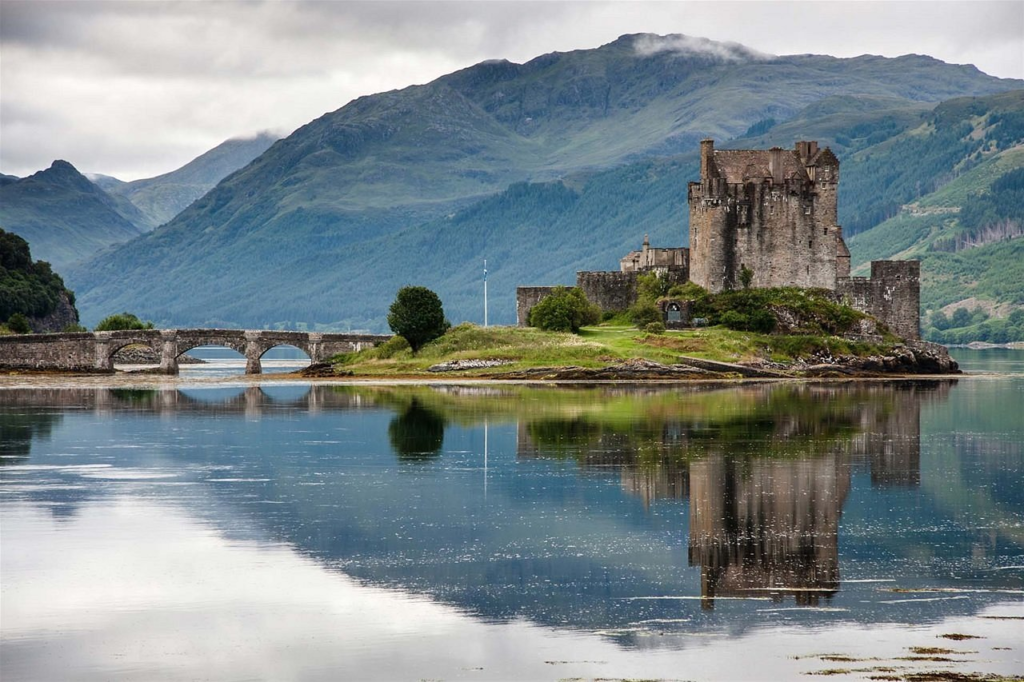
Why it made the list: It is one of Scotland’s most famous and accessible scenic legends.
Best for: first-time Highlands visitors, families, casual scenic trips.
Highlights: loch views, folklore, castle-linked sightseeing, cruises or guided tours, and proximity to Inverness.
Trade-offs: Some travelers expect more than the loch itself delivers. It is strongest when paired with nearby Highlands sightseeing rather than treated as a whole trip on its own.
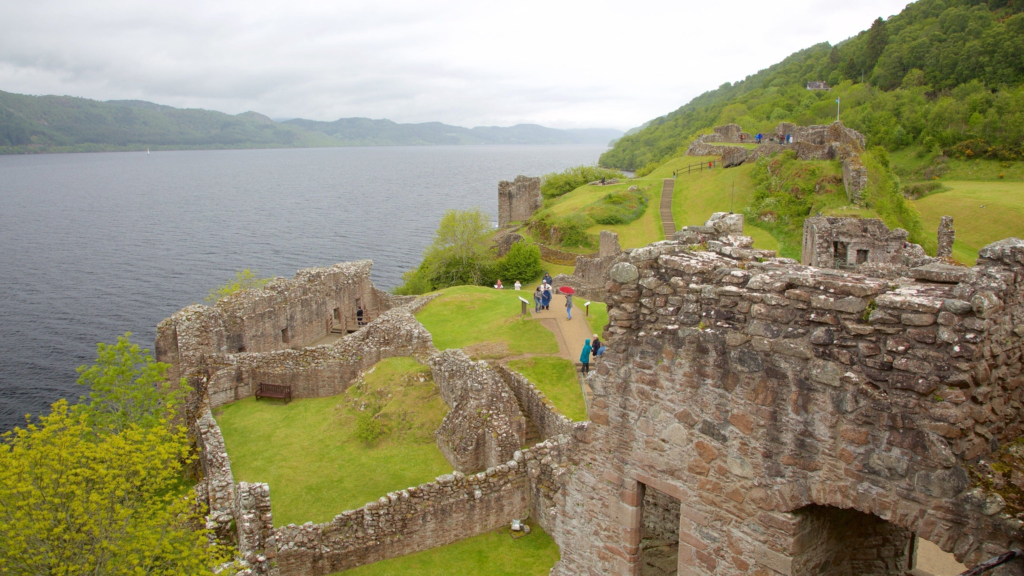
Best time to visit: Flexible year-round, but outdoor visibility and touring comfort depend on weather.
Who should go: Travelers who want one classic, recognizable Highlands stop.
Who may skip it: Travelers seeking a less-touristed loch or more rugged hiking focus.
Bottom line: Loch Ness earns its place, but it works best as part of a wider Highlands route.
5) Loch Lomond & The Trossachs
Overview: This area is one of Scotland’s easiest nature escapes, especially for travelers coming from the central belt. VisitScotland highlights cruising, watersports, hiking, wildlife, castles, and accommodation across the national park.
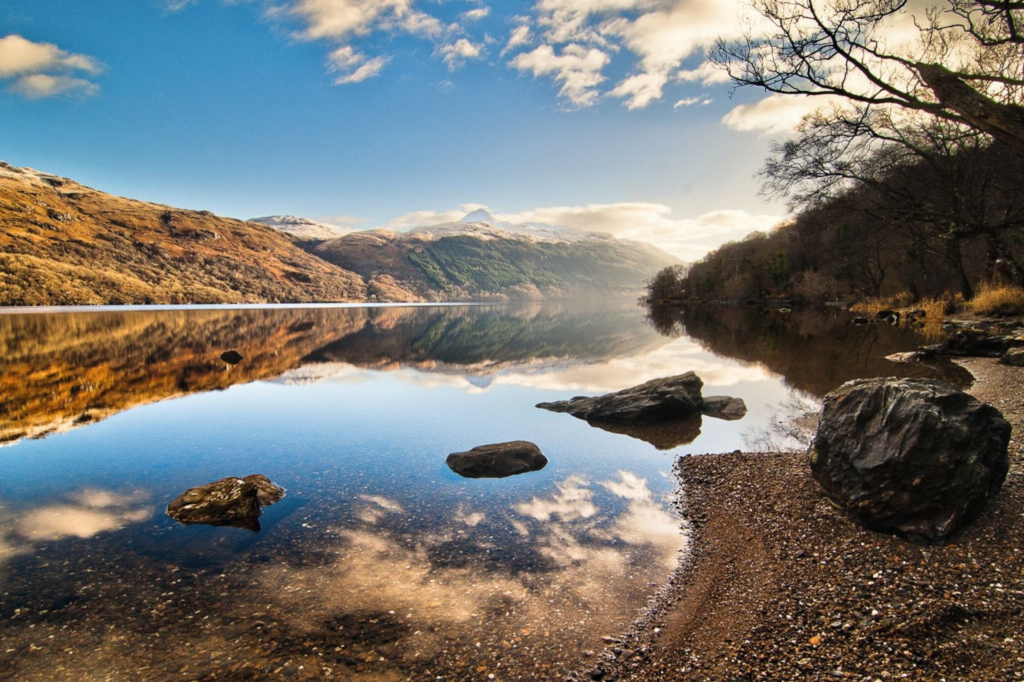
Why it made the list: It offers a strong mix of scenery and accessibility.
Best for: outdoor beginners, couples, families, short nature breaks.
Highlights: loch scenery, Conic Hill, water-based activities, historic attractions, and easier-access nature than more remote Highland areas.
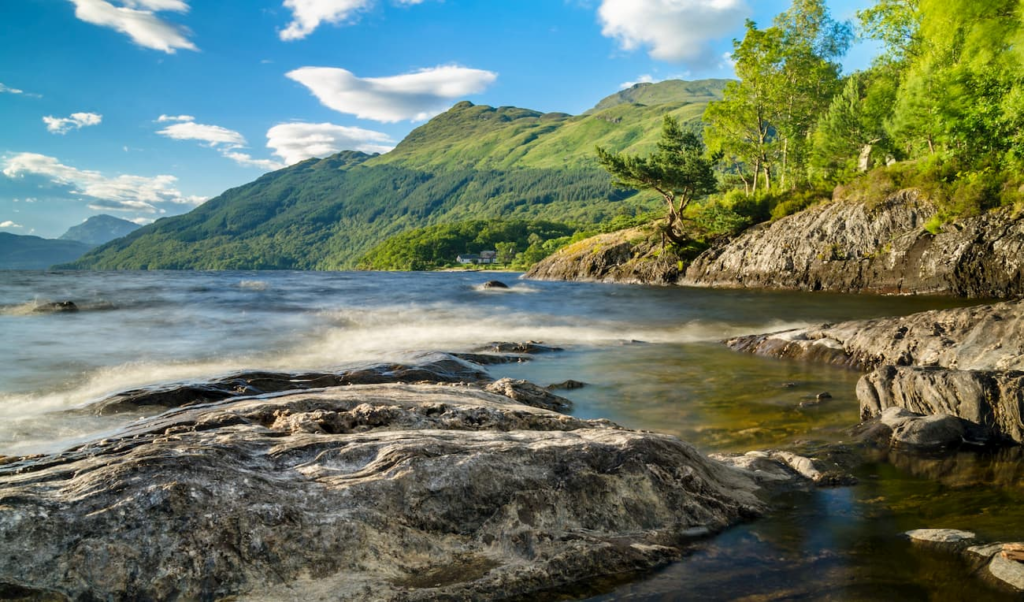
Trade-offs: It can feel less remote than Skye or the Outer Hebrides.
Best time to visit: Spring through early autumn is generally easiest for outdoor use, but verify local access updates because popular beauty spots sometimes undergo management closures or restrictions.
Who should go: Travelers who want scenery without committing to a deep-Highlands itinerary.
Who may skip it: Those specifically chasing the most rugged or isolated landscapes.
Bottom line: Loch Lomond & The Trossachs is one of the best choices for a shorter, easier outdoor-focused Scotland trip.
6) Inverness
Overview: Inverness is less about being Scotland’s most beautiful city and more about being one of its most useful travel bases. VisitScotland explicitly presents it as a base for Loch Ness, Highland landscapes, and Cairngorms access.
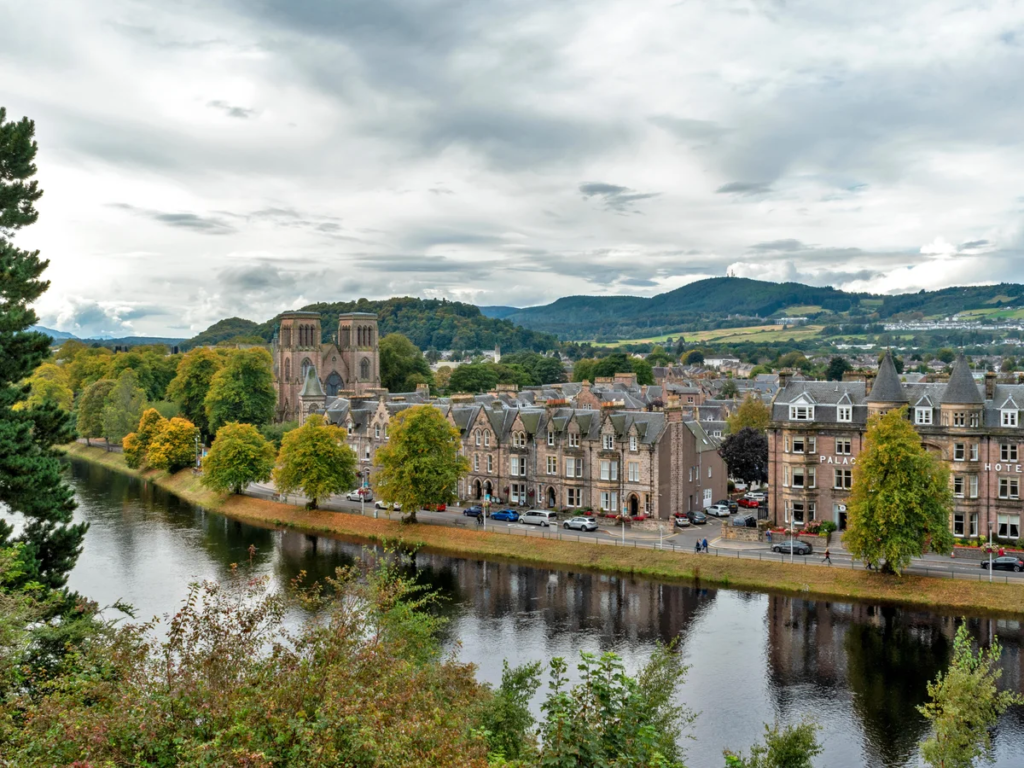
Why it made the list: It makes Highland travel more manageable.
Best for: itinerary planners, first-time Highlands travelers, mixed scenic/city trips.
Highlights: central base value, nearby Loch Ness, city walks, museums, cathedral, and easy branching into surrounding landscapes.
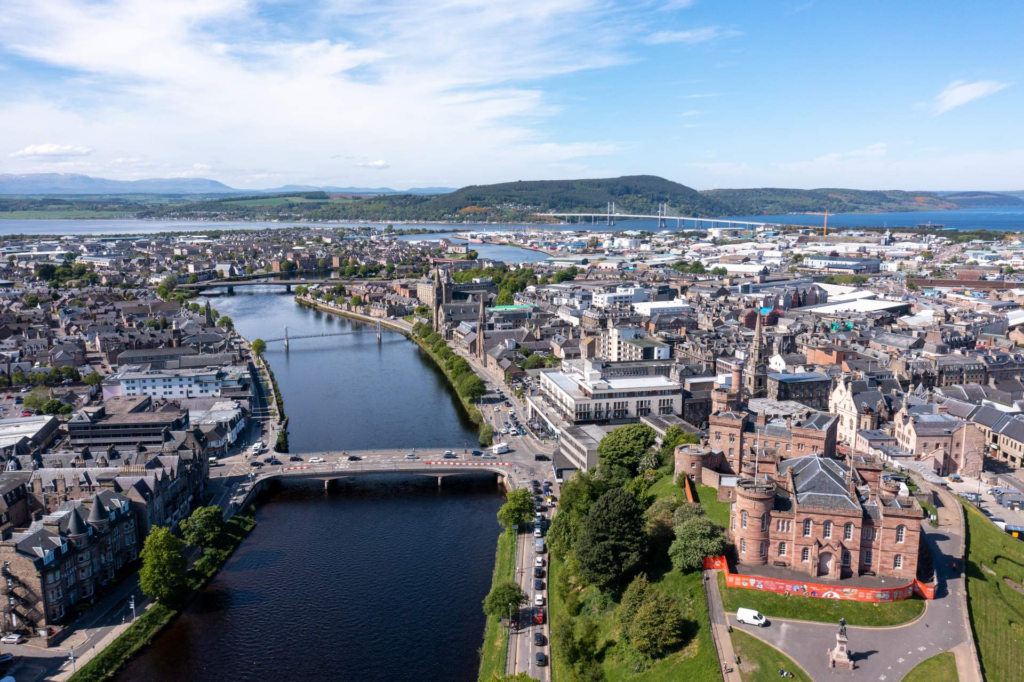
Trade-offs: It is more functional than dramatic compared with Skye or Glencoe.
Best time to visit: Works year-round as a base, but verify attraction opening details and transport schedules.
Who should go: Travelers who want a convenient Highlands hub.
Who may skip it: Travelers who prefer more atmospheric villages or ultra-scenic overnight stops.
Bottom line: Inverness deserves a place because good itineraries need useful bases, not just beautiful stops.
7) St Andrews
Overview: St Andrews combines coastal setting, medieval history, university-town atmosphere, and golf heritage. VisitScotland emphasizes its past, surroundings, golf identity, beach setting, and good local transport connections.
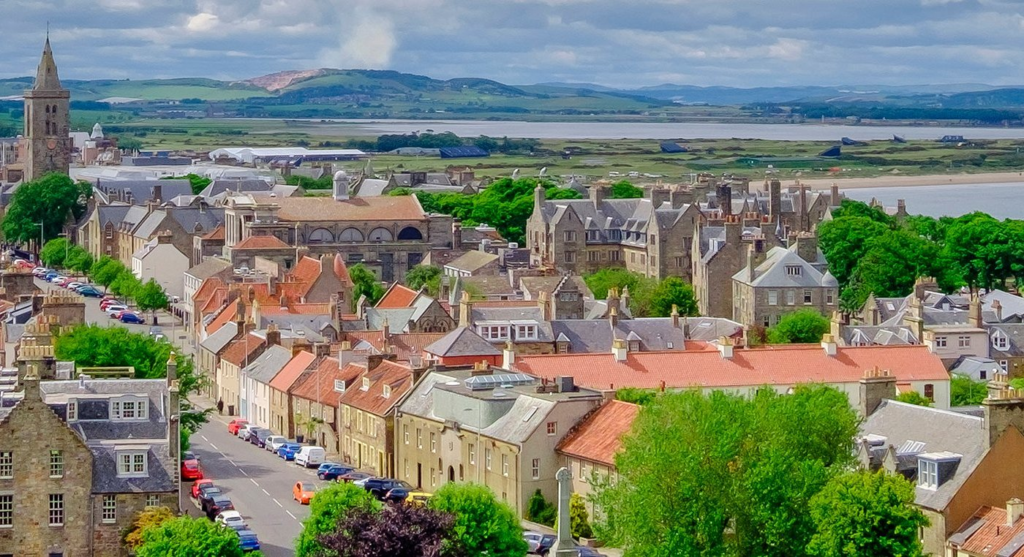
Why it made the list: It offers a very different, more polished side of Scotland.
Best for: couples, history lovers, golf travelers, elegant short breaks.
Highlights: historic streets, university atmosphere, golf heritage, coastal scenery, and access to the East Neuk area by bus links.
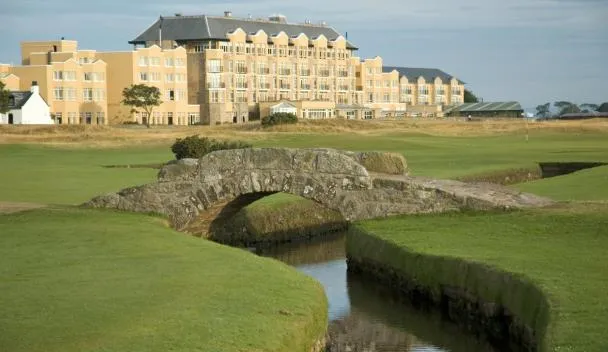
Trade-offs: It is less dramatic than Skye or Glencoe and can feel more niche if golf and history are not priorities.
Best time to visit: Best when you want walkable town-and-coast appeal; check event and accommodation demand in advance.
Who should go: Travelers who want charm, history, and a gentler pace.
Who may skip it: Travelers focused only on the wild Highlands.
Bottom line: St Andrews is one of the best places in Scotland to visit for a refined coastal-historic break.
8) Cairngorms National Park
Overview: The Cairngorms are one of Scotland’s strongest choices for outdoor variety. VisitScotland notes the park’s mountains, forest paths, rivers, lochs, villages, and major peak density, while the official park authority describes it as the UK’s largest national park and home to substantial rare and endangered species.
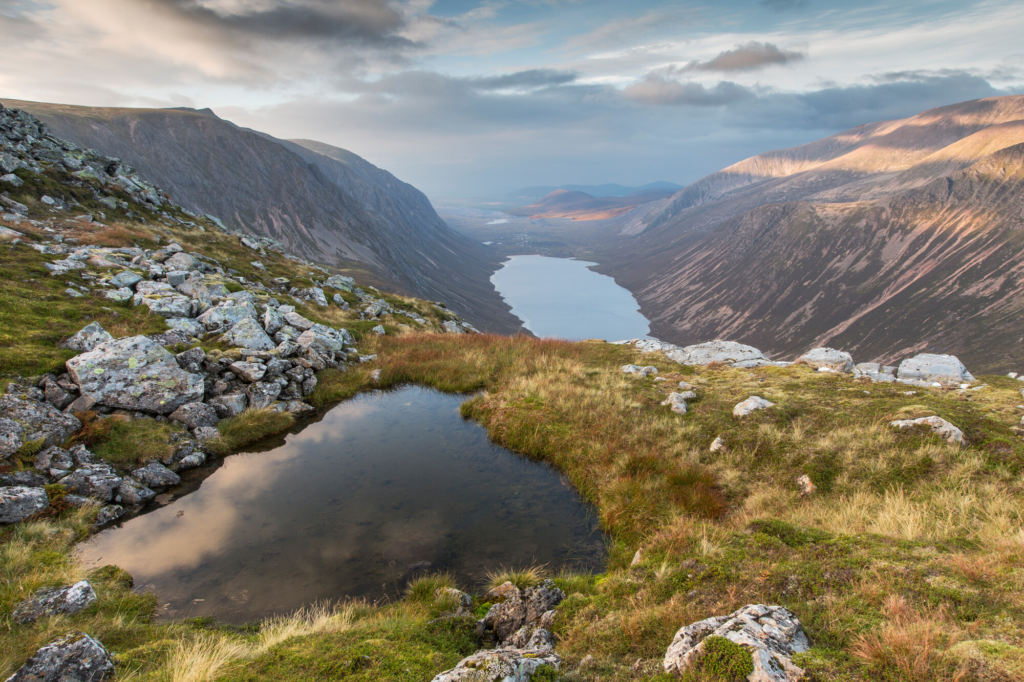
Why it made the list: It is one of the most complete outdoor destinations in Scotland.
Best for: active travelers, hikers, wildlife-focused visitors, winter-sports planners.
Highlights: mountain scenery, forest landscapes, villages, trails, nature, and broad activity range.
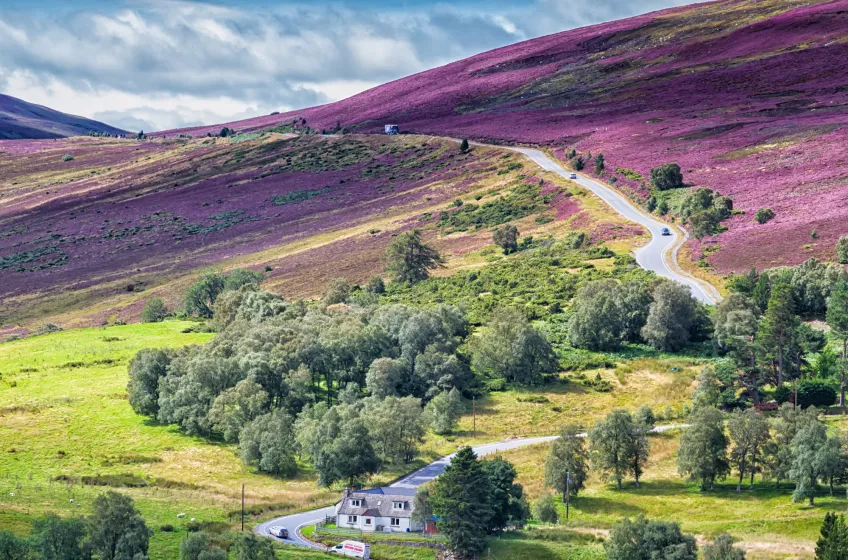
Trade-offs: Better for travelers who enjoy active days than for those wanting a simple one-stop sightseeing city break.
Best time to visit: Depends heavily on your activity type; verify weather, trail, and seasonal conditions before going.
Who should go: Travelers who want Scotland’s outdoor depth, not just a scenic photo stop.
Who may skip it: Visitors looking for mostly urban sightseeing.
Bottom line: The Cairngorms are one of the best natural places to visit in Scotland.
9) Stirling
Overview: Stirling delivers major Scottish history in a more manageable setting than Edinburgh. VisitScotland describes it as a small city with a big history and a good base for surrounding countryside.
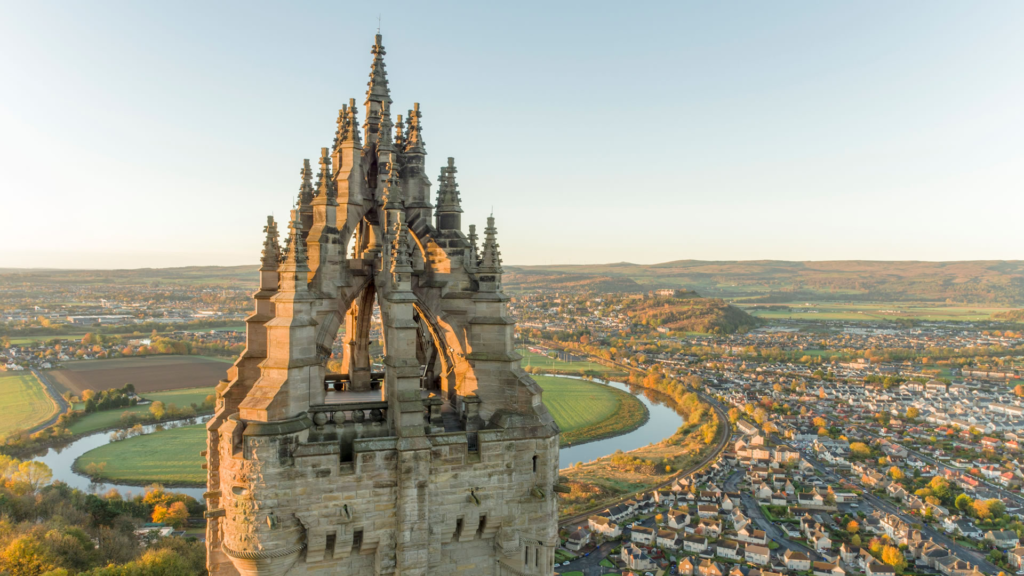
Why it made the list: It gives history-focused travelers strong value without big-city intensity.
Best for: castle lovers, history travelers, shorter central-Scotland itineraries.
Highlights: Stirling Castle, Bannockburn context, walkable historic interest, and access to nearby scenery.
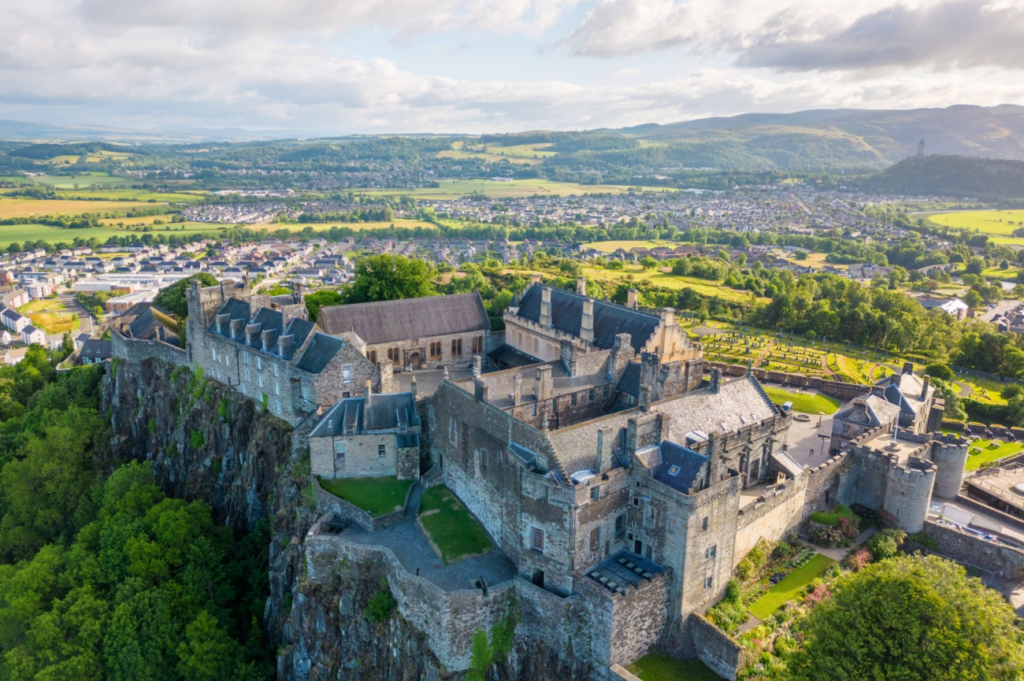
Trade-offs: It is not as broad or atmospheric as Edinburgh for a longer city stay.
Best time to visit: Flexible, though weather still affects the outdoor side of a visit.
Who should go: Travelers who want history with a simpler pace.
Who may skip it: Travelers already prioritizing Edinburgh and minimizing duplicate history stops.
Bottom line: Stirling is one of the best additions for travelers who want Scotland’s national story in a compact format.
10) The Outer Hebrides
Overview: The Outer Hebrides are for travelers who want space, coastline, and a more remote island experience. VisitScotland highlights the islands’ accommodation, food, and island subregions, while the official tourism site positions the chain as a celebrated Atlantic island escape.
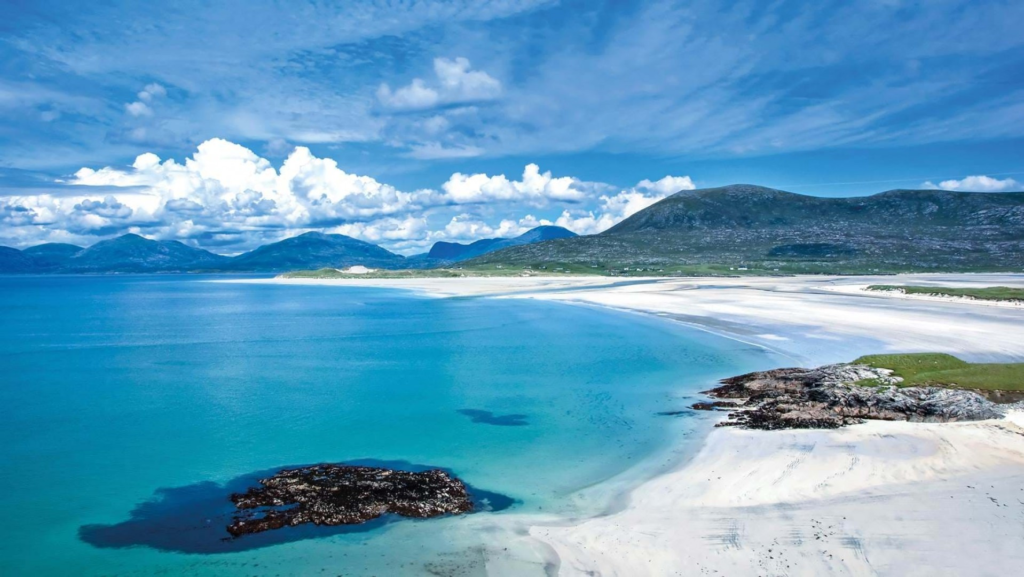
Why it made the list: It offers one of the strongest feelings of escape in Scotland.
Best for: repeat visitors, island lovers, slow travel, remote scenery.
Highlights: beaches, island landscapes, wildlife potential, regional variety across Lewis, Harris, Barra, and the Uists.
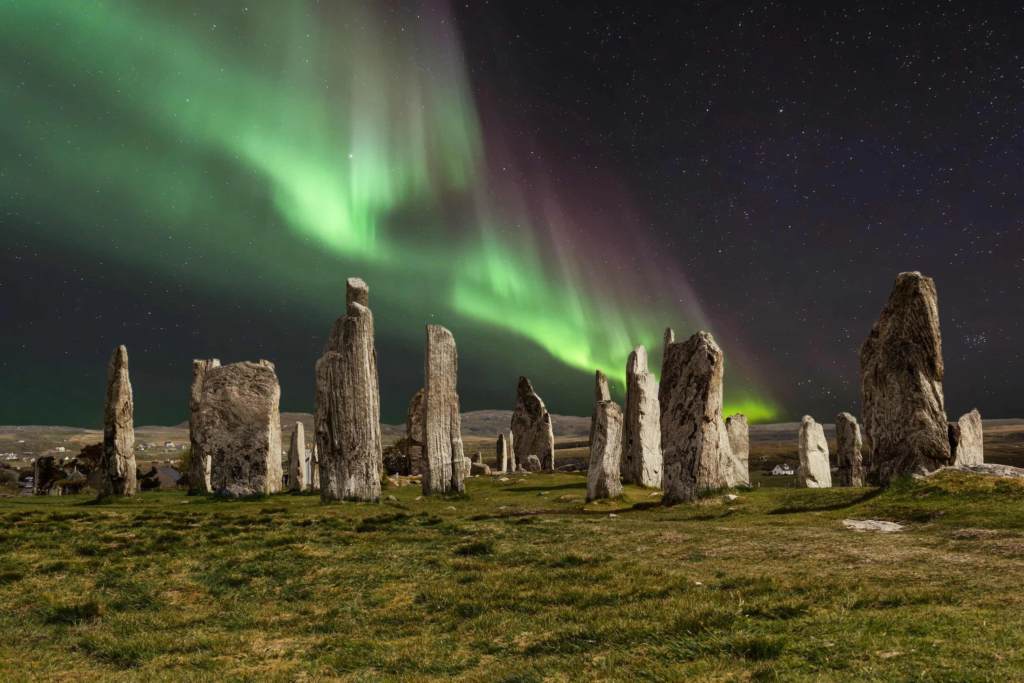
Trade-offs: It requires more planning than mainland Scotland, especially around ferries, timing, and weather exposure.
Best time to visit: Seasonal and transport details matter more here than in easier mainland destinations; verify them carefully before booking.
Who should go: Travelers who want the journey to feel quieter, slower, and more distinctive.
Who may skip it: First-timers with limited time.
Bottom line: The Outer Hebrides are one of the best places to visit in Scotland for a true island escape, but they reward travelers who plan carefully.
How to choose the right places for your Scotland trip
The best places to visit in Scotland will depend on whether you want a city break, a Highlands road trip, or a remote island escape.
If this is your first Scotland trip, start with Edinburgh + either Stirling, Loch Lomond, or Inverness/Loch Ness depending on whether you prefer history, easy-access nature, or a Highlands base.
If you want the most scenic route, prioritize Isle of Skye + Glencoe + Cairngorms.
If you want a couples trip, the strongest mix is usually Edinburgh + St Andrews + Skye because it balances atmosphere, scenery, and memorable stays.
If you want a slower, less conventional trip, look at the Outer Hebrides or a Cairngorms-focused itinerary.
Before booking, compare recent tour availability, accommodation, transport frequency, and ferry details, especially for islands and remote areas. Official Scotland tourism pages explicitly support tours, itineraries, passes, and travel planning, which makes them useful cross-checks before final decisions.
FAQ
What is the best place in Scotland to visit?
For most first-time visitors, Edinburgh is the best single place to visit because it offers history, architecture, museums, viewpoints, and straightforward logistics in one destination.
What are the best natural places to visit in Scotland?
The strongest natural picks in this guide are the Isle of Skye, Glencoe, Loch Lomond & The Trossachs, the Cairngorms, and the Outer Hebrides.
Which places in Scotland are best for couples?
Couples often do best with Edinburgh, St Andrews, Skye, and the Outer Hebrides, depending on whether they want city atmosphere, coastal charm, scenic drama, or remote escape.
Is Inverness or Edinburgh better for a first trip?
Edinburgh is better as a first all-around stop. Inverness is better as a Highlands base once you know you want a more nature-heavy route.
Is the Isle of Skye worth it for first-time visitors?
Yes, but mostly if you have enough time and are comfortable with more travel logistics. On a short trip, Edinburgh and central Scotland are easier.
Final verdict
Overall, the best places to visit in Scotland include a mix of cities, scenic Highland regions, historic towns, and island escapes.
If you want the safest high-value Scotland itinerary, begin with Edinburgh, then choose your second layer based on travel style: Skye or Glencoe for scenery, Loch Lomond for easy-access nature, Inverness and Loch Ness for a Highlands base, St Andrews for coastal history, Stirling for castles, Cairngorms for outdoor depth, and the Outer Hebrides for a more remote island experience. That gives readers a more useful answer than a generic roundup because it turns inspiration into an actual decision.