Find the best time to visit Croatia for beaches, sightseeing, island hopping, and lower crowds. Compare seasons, costs, and trip styles in one guide.
Croatia is best visited from late spring to early fall, but the right timing depends on the kind of trip you want. For most travelers, May, June, September, and early October offer the best balance of good weather, manageable crowds, and easier trip planning. If your priority is classic beach weather and lively coastal energy, July and August are strongest. If you want lower prices, calmer cities, and fewer tourists, the shoulder seasons are usually the smarter pick. This matches the broad consensus across current ranking pages and official destination guidance.
For most travelers, the best time to visit Croatia is May to June and September to early October. These windows usually offer warm weather, good sightseeing conditions, easier access to the coast and islands than winter, and fewer crowds than peak summer. July and August are best for full summer beach energy, but they also bring the heaviest crowds and higher prices.
Best time to visit Croatia at a glance
- Best overall: May, June, September
- Best for beaches and swimming: June to September
- Best for fewer crowds: May and September
- Best for sightseeing: May, June, September, early October
- Best for island hopping: June to September, with shoulder-season checks on schedules
- Best for budget-conscious travelers: late spring, early fall, and winter city breaks
- Best for quiet city trips: November to March, especially Zagreb and Split
Season comparison table for best time to visit Croatia
| Season | Best for | Main advantages | Trade-offs | Bottom line |
|---|---|---|---|---|
| Spring (Apr-May) | Sightseeing, hiking, lighter crowds | Pleasant weather, easier pacing, better value | Sea may feel cool earlier in spring | Great for first-timers who care more about exploring than peak beach time |
| Early Summer (Jun) | Balanced beach + sightseeing trips | Warm weather, strong transport, lively but not at peak | Prices start rising | One of the best all-around months |
| Peak Summer (Jul-Aug) | Beaches, nightlife, island atmosphere | Hottest weather, swimming, full summer energy | Crowds, higher costs, busier roads and ferries | Best for classic summer Croatia, not for a calm trip |
| Early Fall (Sep-early Oct) | Beaches, swimming, sightseeing, better value | Warm sea, fewer crowds, softer heat | Some services begin reducing later in the season | Arguably the smartest overall window |
| Late Fall/Winter (late Oct-Mar) | Quiet cities, value, local feel | Lower prices, fewer tourists, calmer atmosphere | Reduced island services and some seasonal closures | Best for city breaks, not classic coastal holiday planning |
This summary reflects current travel-source consensus and practical transport notes around seasonality.
How we chose the best time to visit Croatia
We compared current ranking pages, official Croatia tourism guidance, and destination-specialist planning advice. The main criteria were:
- weather comfort
- crowd pressure
- sea and beach usability
- transport practicality
- value
- suitability for different trip styles such as cities, islands, or mixed itineraries
Croatia by season for best time to visit Croatia
Spring in Croatia
Spring is best for travelers who want sightseeing, lighter crowds, and a more relaxed pace. April can still feel transitional depending on where you go, but May is widely treated as one of the best shoulder-season months. This is a strong time for walking historic cities, visiting national parks, and building a more flexible route without peak-summer pressure. The main trade-off is that sea swimming can still feel cool earlier in the season, especially compared with late summer.
Best for: first-time visitors, sightseeing-heavy trips, couples, photographers, park visits
Advantages: fewer crowds, easier reservations, lower pressure than summer
Trade-offs: not the best choice if your whole trip depends on hot sea-and-beach days
Traveler fit: ideal for people who want Croatia beyond just peak beach season
Bottom line: May is one of the strongest all-around months for a balanced trip.
Early summer in Croatia
June is where Croatia starts to feel fully “on.” Coastal towns are lively, the weather is warmer, and island-hopping becomes more practical. Many current guides effectively treat June as one of the best months because it gives you much of the summer experience without the full July-August crush.
Best for: mixed trips with beaches, islands, and cities
Advantages: strong transport season, warm weather, lively atmosphere
Trade-offs: prices are rising and popular places are busier than in May
Traveler fit: great for travelers who want beach time but still care about easier sightseeing
Bottom line: June is one of the safest “best month” recommendations for Croatia.
Peak summer in Croatia
July and August are best for travelers who want hot weather, long beach days, and peak coastal energy. This is the classic Croatia postcard season. It is also the period most often described as crowded, more expensive, and harder to navigate calmly, especially along the coast and in high-demand places.
Best for: beach lovers, sun seekers, nightlife, full summer atmosphere
Advantages: hottest weather, strongest swimming conditions, full seasonal buzz
Trade-offs: larger crowds, longer lines, higher hotel prices, busier ferries and roads
Traveler fit: right for travelers who want energy and don’t mind paying for it
Bottom line: best for a classic summer holiday, but not the best value or calmest experience.
Early fall in Croatia
September and early October are excellent for travelers who want warm sea conditions with less pressure. Several ranking pages lean heavily toward this window because the sea stays warm, temperatures soften, and the biggest summer crowds thin out. This is especially attractive for couples, first-time visitors, and travelers who want both city sightseeing and some beach time.
Best for: couples, shoulder-season beach trips, sightseeing, value seekers
Advantages: warm water, more comfortable heat, easier pacing, often better value
Trade-offs: later in the fall, some seasonal services begin reducing
Traveler fit: excellent for travelers who want “summer feel” without maximum summer stress
Bottom line: September is arguably the smartest overall month for many Croatia trips.
Late fall and winter in Croatia
Winter is not the best time for a classic island-heavy Croatia trip, but it can work well for quiet city breaks. Audley specifically highlights Zagreb and Split as good places to focus on when the country is quieter and more relaxed. The biggest limitation is seasonality: some island hotels and services close, and ferry options are reduced compared with summer.
Best for: city breaks, slower travel, off-season value
Advantages: fewer tourists, lower prices, more local atmosphere
Trade-offs: reduced coastal and island convenience, fewer seasonal businesses open
Traveler fit: travelers who care more about cities and culture than beaches and island routes
Bottom line: useful for a different kind of Croatia trip, but not the best first choice for a classic Adriatic holiday.
Best time to visit Croatia by travel style
Best time to visit Croatia for beaches
The best beach months are usually June through September, with July and August strongest for full summer heat. September is often the better compromise if you want beach time without the highest pressure.
Best time to visit Croatia to avoid crowds
May and September are the strongest answers here. They repeatedly show up across ranking pages as the shoulder-season sweet spot.
Best time to visit Croatia on a budget
Late spring, early fall, and winter city breaks are usually better than peak summer. July and August tend to bring the highest accommodation pressure.
Best time to visit Croatia for island hopping
June to September is the safest broad window. Shoulder-season island plans can still work, but they need more checking because ferry and catamaran schedules reduce outside high season.
Best time to visit Croatia for sightseeing
May, June, September, and early October are usually best for travelers who want historic cities, day trips, and outdoor walking without peak heat.
Best time to visit Dubrovnik, Split, and Croatia + Slovenia
Best time to visit Dubrovnik, Croatia
Shoulder season is especially attractive for Dubrovnik. Current results point to May to early June and September to mid-October as strong windows because they balance sightseeing conditions with lighter crowd pressure.
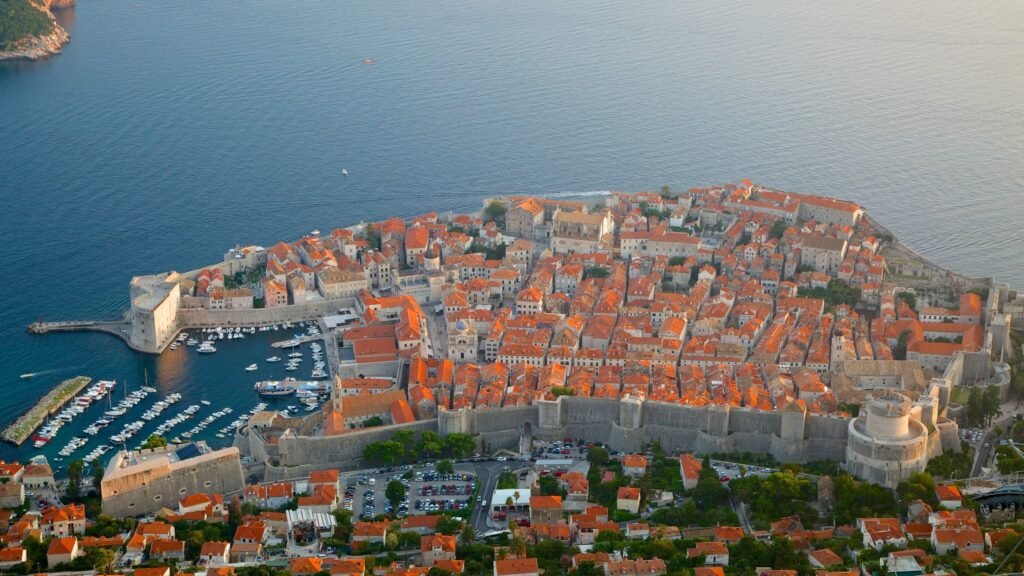
Image Credit: Expedia
Best time to visit Split, Croatia
For Split, current results lean toward spring and early fall, especially May, June, September, and October for a mix of old-town exploring, coastal day trips, and more manageable crowds.
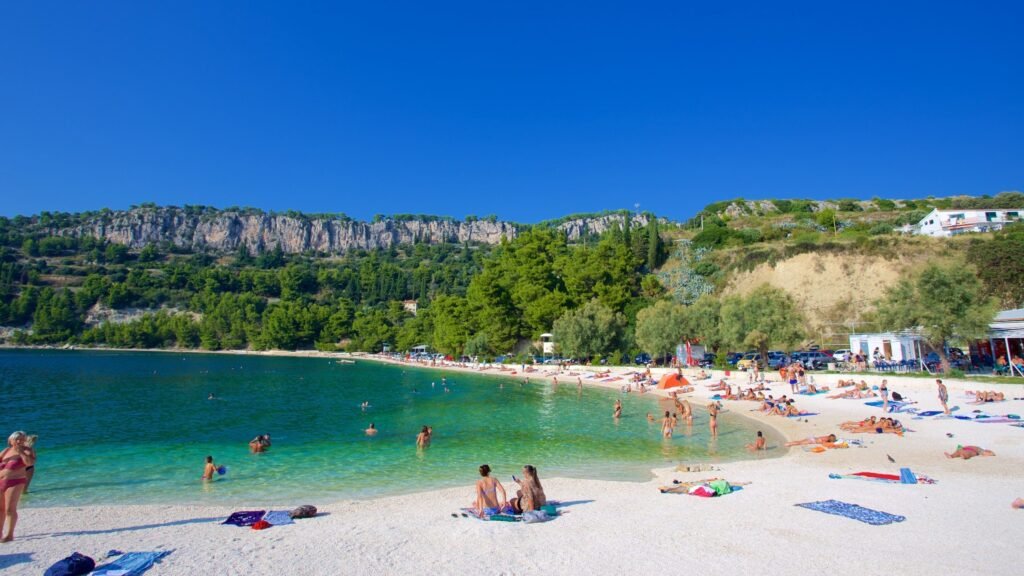
Image Credit: Expedia
Best time to visit Croatia and Slovenia
For a combined Croatia and Slovenia trip, May to June and September to October are usually the most practical recommendation. These windows are repeatedly described as pleasant for broader regional touring, while peak summer is busier and more expensive.
Planning tips before you book
If your Croatia trip depends on ferries, catamarans, islands, or seasonal resort services, verify schedules and opening periods before locking in dates. Visit Croatia notes that many flight routes are strongly seasonal and that ferry frequency changes outside summer, with some routes reducing or stopping in low season.
Best Places to Visit in Croatia: 10 Great Picks for Different Trip Styles
Best Hotels in Split, Croatia: 10 Great Stays for Every Trip Style
FAQ
What is the best month to visit Croatia?
For many travelers, the best single months are June and September because they balance weather, swimming conditions, and manageable crowds better than peak summer.
Is September a good time to visit Croatia?
Yes. September is one of the strongest months for a Croatia trip because the sea is still warm, the weather is usually pleasant, and the biggest summer crowds have started to thin out.
Is May warm enough for Croatia?
Usually yes for sightseeing and many coastal trips. It is one of the best shoulder-season months, though sea swimming can still feel cooler than later in summer. Southern areas tend to be more favorable if swimming matters a lot.
Is October too late for Croatia?
Not necessarily. Early October can still work well for cities, some coastal trips, and a quieter pace. But it becomes more important to verify seasonal transport and island-service availability.
When is Croatia cheapest?
The cheapest periods are generally outside peak summer, especially compared with July and August, when hotel pressure is highest.
Final verdict
If you want the easiest all-around answer, aim for May, June, or September. Choose July or August only if your priority is full summer beach energy and you are comfortable with higher crowds and costs. Choose early October for a calmer, more flexible trip if beach time is not your only goal. And choose winter only if you want a quieter city-focused Croatia rather than the classic island-and-coast version. That gives readers a real decision, not just a weather summary.