Compare the best places to live in California for families, professionals, retirees, and budget-conscious movers with real trade-offs and city-by-city advice.
California is not one single lifestyle. The best place for a family that wants parks and predictable suburbs is not the same as the best place for a remote worker who wants transit, or a retiree who wants convenience without Bay Area pricing. Current ranking pages also make this harder than it should be because many of them mix tiny high-cost neighborhoods with whole-city advice. This guide solves that by focusing on realistic city-level options and the trade-offs that actually matter when you move.
For most readers, the strongest California shortlist is Sacramento, Elk Grove, Roseville, Irvine, San Diego, Davis, Berkeley, and Temecula. Sacramento and Elk Grove are especially strong for balance and value, Roseville and Irvine work well for structured family life, San Diego wins on all-around lifestyle, Davis stands out for bikeable college-town living, Berkeley is best for transit and culture, and Temecula offers more space with a Southern California lifestyle. That mix reflects what current ranking pages reward plus what official city/community sources show about parks, transportation, and everyday livability.
Quick Pick (Best Places to Live in California)
- Best overall value + flexibility: Sacramento
- Best suburban all-rounder: Elk Grove
- Best for families and easy suburban living: Roseville
- Best for polished master-planned living: Irvine
- Best lifestyle city overall: San Diego
- Best bikeable college town: Davis
- Best for transit, culture, and urban energy: Berkeley
- Best for Southern California space and wine-country feel: Temecula
Comparison table ( Best Places to Live in California)
| City | Best for | Cost pattern | Lifestyle feel | Main trade-off |
|---|---|---|---|---|
| Sacramento | Overall balance | Moderate for CA | Urban + outdoors | Summer heat, neighborhood variation |
| Elk Grove | Suburban all-rounder | Moderate for CA | Family-oriented suburb | Less urban buzz |
| Roseville | Families, retirees | Moderate to upper-mid | Easy, polished suburb | Car dependence |
| Irvine | Families, planners | High | Structured, clean, park-rich | Expensive and more controlled feel |
| San Diego | Lifestyle seekers | High | Coastal, varied, outdoorsy | Housing costs |
| Davis | Bikeable daily life | Upper-mid | College town | Smaller job base than major metros |
| Berkeley | Transit + culture | High | Urban, intellectual, walkable | Expensive and more intense pace |
| Temecula | Space in SoCal | Upper-mid | Suburban + wine-country | Longer drives for some commutes |
This table is an editorial synthesis of the live ranking criteria and current city/community signals rather than a raw ranking pulled from one source.
How we chose Best Places to Live in California
We prioritized cities that balance daily livability better than the average prestige-heavy roundup: park access, housing choice, mobility, community amenities, regional access, and fit for multiple types of movers. That mirrors the ranking factors Niche and Livability say they use, while also avoiding a guide that is just a list of expensive enclaves.
Best places by reader type
If you are moving with kids, start with Roseville, Irvine, Elk Grove, and Sacramento. If you want lifestyle first, San Diego is hard to beat. If you want a walkable, bike-oriented, intellectually active environment, Davis and Berkeley are stronger fits. If you want Southern California but need more space and a more suburban feel, Temecula deserves a serious look.
Best places to live in California
1) Sacramento
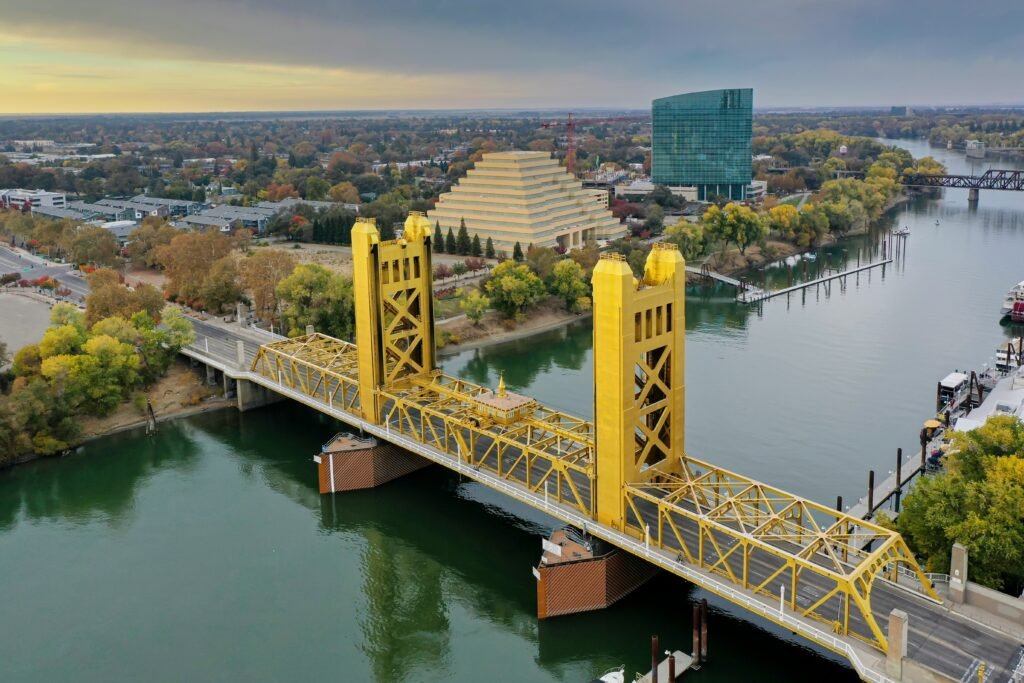
Sacramento is the best starting point for readers who want the widest balance of affordability, city convenience, and outdoor access without jumping straight into the Bay Area or coastal price tier. The city has a large park system, strong bike-trail access through the American River Parkway, and a food identity built around its farm-to-fork positioning. It also keeps showing up in current editorial roundups as a practical, balanced place to live.
Best for: families, first-time buyers, young professionals, people who want a big-city base without top-tier coastal costs.
Affordability/lifestyle balance: one of the better compromises in California for people who want urban amenities and still care about budget.
Strengths: parks, bike access, food scene, central location for Tahoe/Napa/weekend trips.
Trade-offs: hot summers, neighborhood-by-neighborhood variation, and not everyone will love the slower pace compared with coastal metros.
Who should move here: readers who want a flexible shortlist city with decent value and year-round livability.
Who should skip it: people who want a beach-led lifestyle or a more polished master-planned suburban feel.
Bottom line: Sacramento is the safest “start here” recommendation for most readers because it does many things well without demanding Bay Area or prime-coastal money.
2) Elk Grove
Elk Grove is one of the clearest suburban winners in the current SERP. Travel + Leisure recently highlighted it after Livability ranked it No. 1 in California, and official city material emphasizes family orientation, diverse households, parks, schools, and easy regional access. It works especially well for buyers and renters who want suburban calm near Sacramento without giving up convenience.

Best for: families, suburban buyers, commuters to the Sacramento area.
Affordability/lifestyle balance: stronger than many prestige suburbs, though readers should still verify current housing and insurance costs.
Strengths: family-oriented atmosphere, regional access, community feel, parks/recreation framing, transit options.
Trade-offs: less nightlife and less urban energy than Sacramento, Berkeley, or San Diego.
Who should move here: readers who want stable suburban living and a shorter California learning curve.
Who should skip it: people who want dense walkability, major transit culture, or a strong beach/coastal identity.
Bottom line: Elk Grove is one of the most practical California choices for families who want balance more than prestige.
3) Roseville
Roseville is one of the strongest picks for families and also a quietly solid option for retirees who want convenience, recreation, and easier day-to-day suburban living. Official city sources highlight 80+ parks, varied housing, highly rated education language, and strong resident satisfaction around parks, libraries, and quality of life. That makes it feel less like a speculative “hot city” and more like an established, usable place to settle.

Best for: families, move-up buyers, retirees who want suburban ease.
Affordability/lifestyle balance: not cheap, but usually easier than premium Bay Area or beach markets.
Strengths: parks, family infrastructure, shopping/dining, strong resident satisfaction, broad suburban convenience.
Trade-offs: more car-dependent, less cultural edge than Berkeley or San Diego.
Who should move here: families who care more about easy daily life than trendiness.
Who should skip it: renters wanting dense walkability or younger movers who want a more urban social scene.
Bottom line: Roseville is one of California’s best choices for people who want a suburban setup that already works.
4) Irvine
Irvine fits readers who value structure, planning, and polished infrastructure more than spontaneity. Official city material emphasizes that Irvine is one of America’s most successful master-planned communities and points to its extensive parks and open-space system. It is a strong fit for families and professionals who want predictability, order, and clean community design.

Best for: families, professionals, relocation planners who want a polished environment.
Affordability/lifestyle balance: lifestyle is strong, but budget pressure is real.
Strengths: master-planned layout, park system, trails/open space, family-oriented reputation.
Trade-offs: high housing costs and a more controlled feel that some readers may find too uniform.
Who should move here: readers who want a neat, highly organized version of Southern California living.
Who should skip it: anyone seeking a looser, more eclectic, or more affordable city feel.
Bottom line: Irvine is not the cheapest answer, but it is one of the clearest “quality infrastructure first” answers.
5) San Diego
San Diego remains one of the most broadly appealing places to live in California because it offers multiple lifestyles inside one metro: beach neighborhoods, urban neighborhoods, quieter family areas, and strong outdoor culture. Official city and visitor sources highlight major parks, beaches, varied neighborhoods, transportation planning, and recreation access. Current editorial roundups still treat it as a core California living choice.
Best for: lifestyle seekers, professionals, outdoor-focused households, people who want variety.
Affordability/lifestyle balance: lifestyle is excellent; affordability is the main challenge.
Strengths: beaches, parks, varied neighborhoods, broad lifestyle range, outdoor access.
Trade-offs: higher housing costs and more competition for desirable areas.
Who should move here: readers who are willing to pay more for day-to-day quality of life and neighborhood choice.
Who should skip it: budget-first movers who do not need coastal access or metro variety.
Bottom line: San Diego is the best “I want the California lifestyle” answer, but not the best value answer.
6) Davis
Davis is the best choice in this guide for readers who want a smaller-scale city where daily life feels easier and more bike-centered. Official city and UC Davis sources point to more than 50 miles of bicycle paths, strong recreation assets, and a campus culture where cycling is central. That gives Davis a very specific advantage: it offers California living that can feel genuinely practical without being fully suburban.
Best for: remote workers, university households, people who prioritize bikeability and community feel.
Affordability/lifestyle balance: smaller-city convenience helps, but demand tied to the university can still keep costs elevated.
Strengths: bikeability, strong local identity, recreation, culture, community-oriented rhythm.
Trade-offs: smaller job base than bigger metros and less big-city energy.
Who should move here: readers who want California without constant big-metro friction.
Who should skip it: people who want a massive job market, nightlife, or coastline access built into daily life.
Bottom line: Davis is one of the smartest niche picks in California if daily convenience matters more than buzz.
7) Berkeley
Berkeley is a strong fit for readers who want culture, transit, intellectual energy, and better car-light living than most California cities can offer. Visit Berkeley highlights three BART stations, and UC Berkeley transit resources underline that life there can work without a car. That is a real differentiator in California.
Best for: academics, transit users, culture-first movers, urban professionals.
Affordability/lifestyle balance: lifestyle is rich, but housing costs are a serious hurdle.
Strengths: transit, walkability, cultural depth, university energy, Bay Area access.
Trade-offs: expensive, more intense pace, less suburban ease.
Who should move here: readers who value access, ideas, and daily urban texture.
Who should skip it: families or retirees who want calm, large homes, and lower-friction parking/commuting.
Bottom line: Berkeley is one of the best California cities for people who want urban substance more than
suburban space.
8) Temecula
Temecula is one of the most useful answers for readers who want Southern California but do not want to start with coastal pricing. Official city sources emphasize park facilities, bike lanes, trails, and a long-term quality-of-life framework, while official visitor resources reinforce its wine-country identity and outdoor mix. That creates a good middle ground between suburb, recreation base, and lifestyle destination.
Best for: families, buyers wanting more space, Southern California movers who like a suburban pace.
Affordability/lifestyle balance: still not cheap, but often more realistic than many nearby coastal markets.
Strengths: space, trails, parks, wine-country atmosphere, suburban comfort.
Trade-offs: some commutes can be longer, and the vibe is more suburban than urban.
Who should move here: readers who want a calmer Southern California base with lifestyle appeal.
Who should skip it: people who want dense transit, major-city culture, or easy beach access every day.
Bottom line: Temecula is one of the better “space + lifestyle” compromises in Southern California.
Relocation advice before you move
Before choosing any California city, narrow your shortlist by asking five practical questions:
How much friction can you afford in daily life? That includes commute, parking, school logistics, and errands.
What matters more right now: budget, lifestyle, or predictability? Sacramento and Elk Grove lean value/balance; Irvine and San Diego lean lifestyle/infrastructure; Berkeley and Davis lean mobility/community fit.
Do you want a city or a suburb? Many ranking pages blur that distinction, but your daily life will not.
How neighborhood-sensitive is your decision? In California, city-level advice helps, but neighborhood-level verification still matters.
What must you verify right now? Rent, home prices, insurance, school boundaries, wildfire exposure, and actual drive times should all be checked before you commit.
A practical next step is to pick three cities, then compare:
- current rent or mortgage range
- weekday commute at your likely hours
- grocery/utility expectations
- internet options
- school boundary maps
- insurance quotes
- one weekend test itinerary to see whether daily life actually feels right
FAQ
What is the best place to live in California overall?
There is no universal No. 1, but Sacramento is the best overall starting point for most readers because it balances cost, amenities, parks, and flexibility better than many coastal or Bay Area choices. For a suburb, Elk Grove is one of the clearest all-rounders right now.
What are the best places to live in California for families?
Start with Roseville, Irvine, Elk Grove, and Sacramento. They are the strongest mix of family-oriented infrastructure, parks, and practical daily-life appeal in this guide.
What is the best affordable place to live in California?
For many readers, Sacramento is the best balance pick, while Elk Grove and Roseville can make sense if you want suburbia with more structure. If your priority is stretching your budget even more, current Livability and affordability roundups also point readers toward places like Clovis and Victorville, though they come with different trade-offs than the cities in the main list.
Is Northern or Southern California better for living?
It depends on fit. Northern California often gives you stronger access to college towns, the Bay Area job ecosystem, and places like Sacramento, Davis, and Berkeley. Southern California is stronger if you want classic coastal or warm-weather lifestyle cities like San Diego, Irvine, and Temecula.
Is California still worth moving to in 2026?
For many people, yes, but only if the city matches your actual priorities. The state still offers strong lifestyle and opportunity advantages, but affordability and neighborhood-level costs need to be verified carefully. Current ranking and editorial pages continue to treat California as highly desirable, even while acknowledging its high costs.
Final verdict
If you want the most balanced California choice, start with Sacramento. If you want the best suburban all-rounder, go with Elk Grove. If you want the best family-focused suburban setup, shortlist Roseville and Irvine. If you want the best lifestyle city, choose San Diego. If you want bikeable, community-centered daily life, look at Davis. If you want culture and transit, go with Berkeley. If you want Southern California space without immediate coastal pricing, look closely at Temecula.